
Patois, Creole and Kreyòl: The Languages of Caribbean Identity
The Caribbean speaks in many tongues, and each one carries history, humor and home.
By AfroVibez™ Editors · November 10, 2026
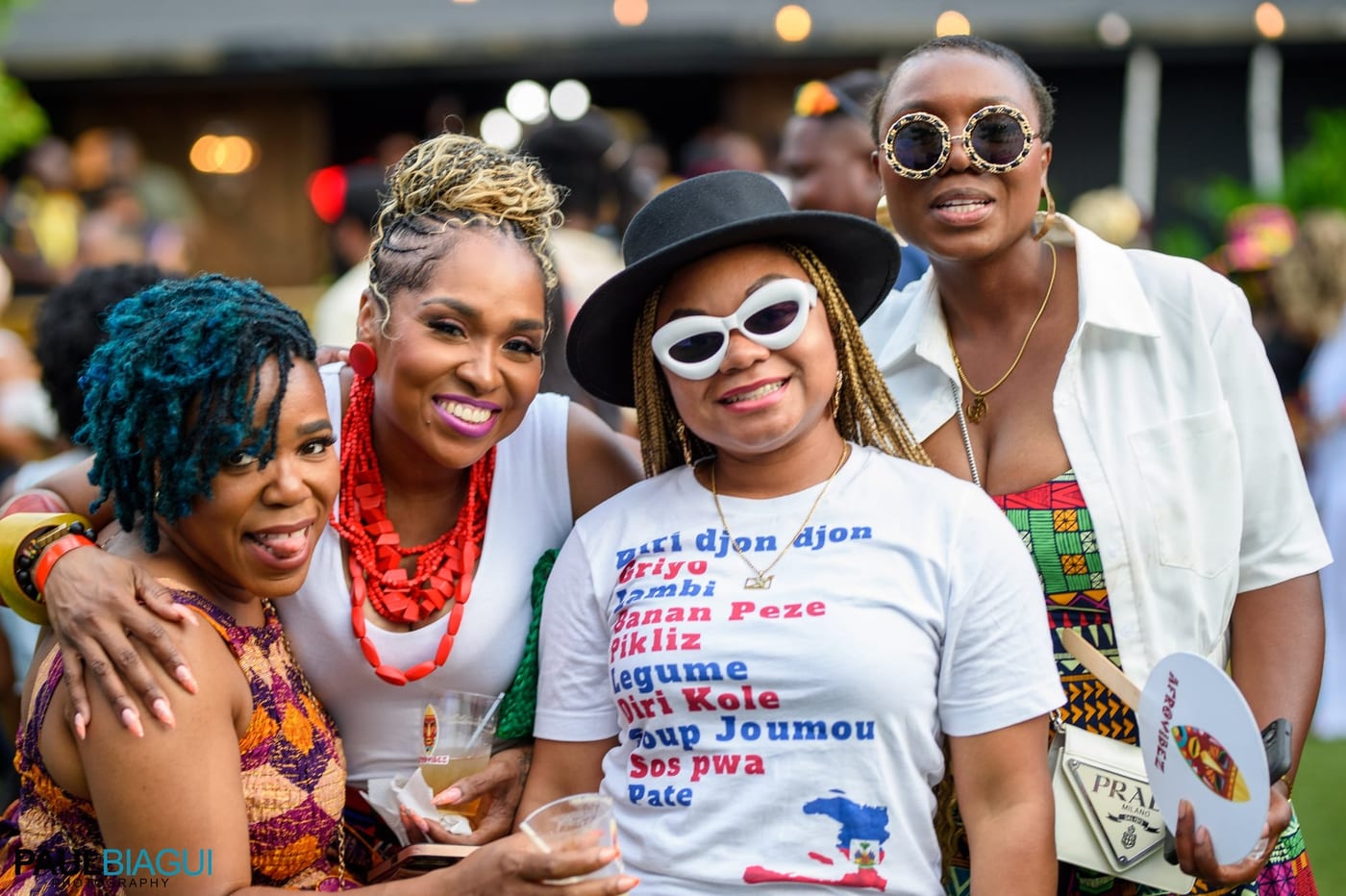
Ask someone from the Caribbean how they say hello and you may get a very different answer depending on the island. Jamaican Patwa, Haitian Kreyòl, Trinidadian English Creole, Guadeloupean and Martinican Kreyol, Papiamento in the southern Caribbean: the region is a rich map of languages born from meeting and mixing.
Born from contact
Creole languages formed when people from many parts of West and Central Africa, and from Europe, needed to communicate in new places. Over time these blended speech forms grew into full, systematic languages with their own grammar, vocabulary and rhythm. Linguists treat them as languages in their own right, not as broken versions of anything else.
More than words
Language is where identity lives. Proverbs, humor, music and storytelling all depend on turns of phrase that translate imperfectly. A single expression can carry warmth, teasing and community in a way that standard English or French cannot match.
Language and respect
For a long time, many Caribbean languages were discouraged in schools and formal settings. Today there is growing pride and a movement to teach, write and celebrate them, from literature and poetry to music and film. Reggae, dancehall, zouk, kompa and soca have carried these languages to listeners all over the world.
A bridge across the diaspora
You may notice words and sounds that echo across the African continent and across the Americas. These echoes are part of what connects the diaspora: shared roots, reshaped by new places.
Whether you grew up speaking it or are just learning, a few words of someone's home language is one of the warmest ways to say you see them.
More in News
News
Juneteenth: A Celebration Rooted in Freedom
June 19 marks the day freedom reached the last enslaved people in Texas, and it has become a national day of reflection and joy.
By AfroVibez™ Editors
News
Honoring Our Legacy
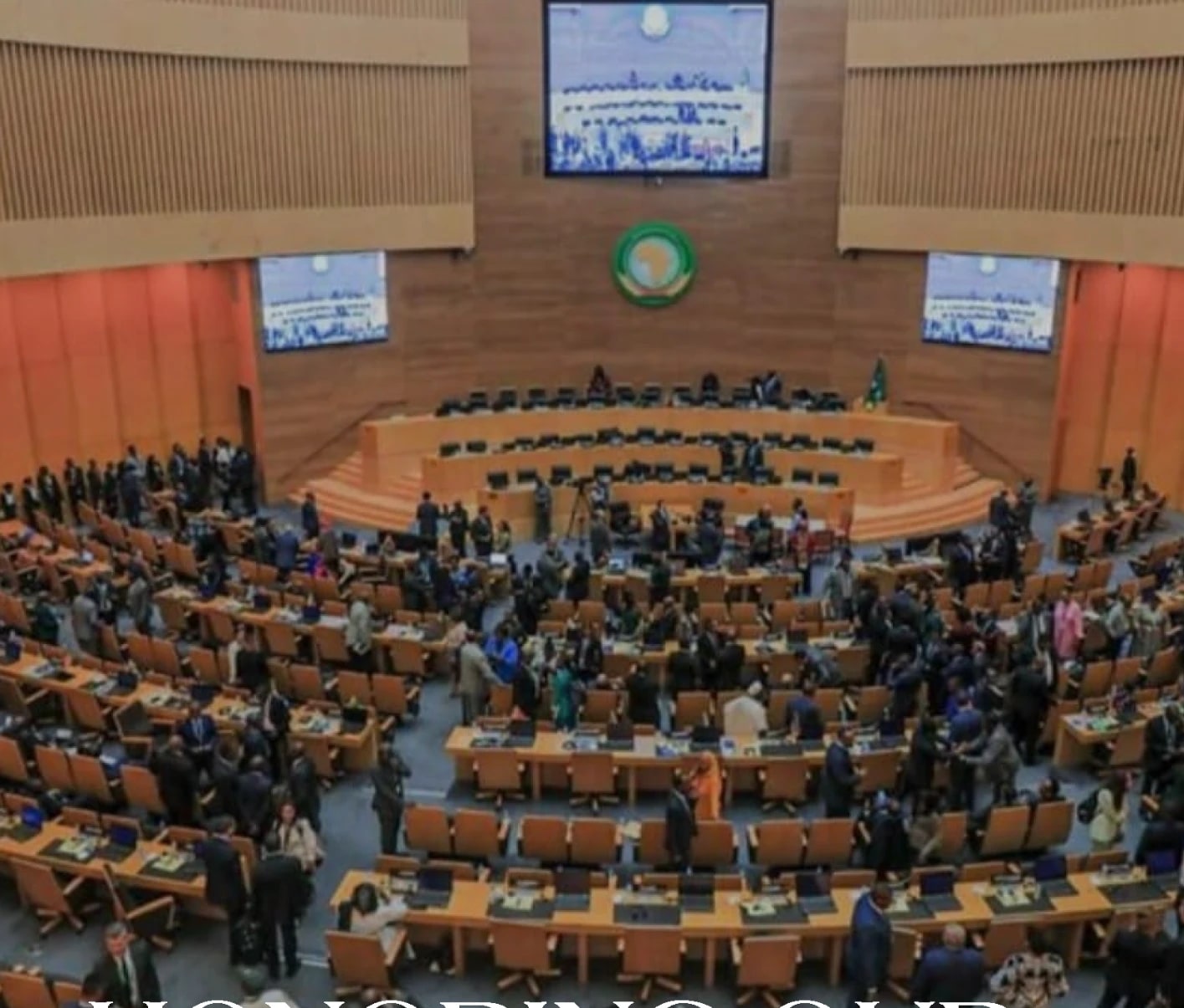
From the Organization of African Unity to the African Union: the story behind Africa Day, and why AfroVibez™ celebrates it.
By AfroVibez™ Editors

News
Africa Is Not One Story: 54 Countries and Thousands of Languages
A continent of astonishing variety deserves more than a single narrative.
By AfroVibez™ Editors