
Kente, Explained: The Cloth That Speaks
Gold, green, red and black, woven strip by strip. What kente is, where it comes from and how to wear it with respect.
By AfroVibez™ Editors · November 6, 2026
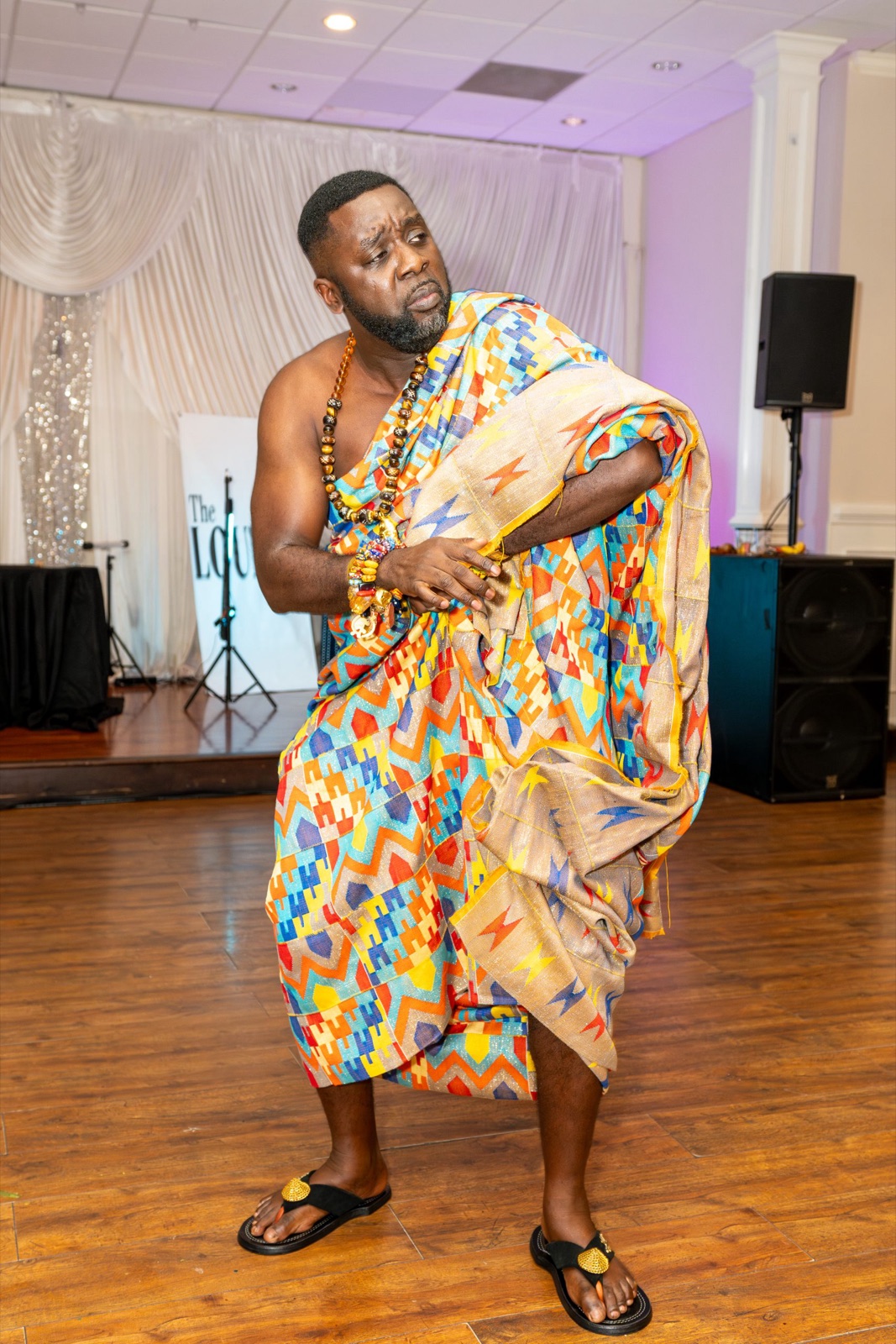
Few fabrics are as instantly recognizable as kente. Woven in bold geometric bands, it appears at royal courts, graduation stages, weddings and red carpets, and increasingly on runways around the world. But kente is more than a pattern. It is a language written in thread.
Where kente comes from
Kente is most closely associated with the Asante people of Ghana and the Ewe people of Ghana and Togo. Weavers work on narrow looms and produce long ribbons of cloth only a few inches wide. Those strips are then stitched edge to edge into a larger piece, which is why kente shows such precise, repeating bands. The town of Bonwire, in Ghana's Ashanti Region, is often named as a historic heart of the craft. A popular origin story says the first weavers took their inspiration from a spider spinning its web.
Patterns with meaning
Traditionally, kente designs are not decoration alone. Many patterns have names, and those names can refer to proverbs, historical events or values such as wisdom, humility and unity. Colors can carry meaning too, and weavers and wearers often choose them with care. Because meanings vary between communities and have shifted over time, the best way to learn what a particular cloth says is to ask the weaver, or the family who commissioned it.
Kente today
Once reserved for royalty and special ceremonies, kente now travels widely. Graduates across the diaspora wear kente stoles to honor their families and heritage. Designers cut it into tailored jackets, gowns, bow ties and sneakers. At gatherings like AfroBall, you will see it wrapped, draped and tailored in a dozen different ways, and every one of them says something about the person wearing it.
Wearing it well
Let the cloth lead. If your kente piece is bold, keep the rest of the outfit simple, in a solid neutral or a shade pulled from the cloth itself. Pay attention to scale: a large wrapped cloth reads as ceremonial, while a small accent such as a pocket square or stole is easier for everyday wear.
Know what you are buying. Handwoven strip cloth is a different product from printed kente-style fabric. Both have a place, but if you want the real thing, buy from weavers or trusted sellers and expect to pay for the hours of skilled work. Buying directly supports the people keeping the craft alive.
Finally, wear it with pride and with context. When someone asks about your cloth, you will have a story to tell, and that is exactly what kente was always meant to do.
More in Style

Style
How to Dress for an AfroBall: Black Tie With African Soul
Agbada, gele, kente, a perfectly cut gown: a practical guide to looking incredible at the diaspora's favorite gala.
By AfroVibez™ Editors

Style
Black Style in America: From Sunday Best to the Runway
How a tradition of dressing with dignity and creativity shaped American fashion.
By AfroVibez™ Editors

Style
Adire and the Art of Indigo
Resist-dyed in deep blues by Yoruba artisans, adire is one of West Africa's most elegant textile traditions, and it is having a moment.
By AfroVibez™ Editors